Kidney stones are crystallized deposits of minerals or acid salts, such as calcium, uric acid, and cysteine, which affects millions of people worldwide. When the stones are still small they can go undiagnosed, but when they grow larger and obstruct the flow of urine they cause severe pain that makes you cry out loud.
Symptoms include severe pain in lower back and side, painful urination, blood in urine, urinating more often, fever chills, nausea, and exhaustion.
Risk Factors That Increase The Development Of Kidney Stones
- Family history: when kidney stones run in your family, you are more likely to develop them as well.
- Personal history: people who already had kidney stones are at higher risk of developing another.
- Age: kidney stones are more common in adults that are over 40, but they may occur at any age.
- Being a man: men are at higher risk of developing kidney stones.
- Dehydration: not drinking enough water a day is the number one reason of developing kidney stones.
- Lack of exercise: not being active during the day has been linked to an increased risk of developing kidney stones.
- Poor diet: too much sugar, sodium, and protein in your diet increases the risk.
- Obesity: overweight has been linked to the development of kidney stones.
- Certain drugs: drugs such as Lasix, Topomax, and Xenical, among other, promote the formation of kidney stones.
Types Of Kidney Stones
- Calcium oxalate stones: these are the most common form of kidney stones. 75% of all kidney stones are caused by calcium oxalate build-ups.
- Struvite stones: mostly found in women who had a urinary tract infection.
- Uric acid stones: these are often seen in people who consume way too much protein or suffer from gout. (click here to learn 5 natural remedies for gout and arthritis)
- Cystine stones: they are a result of a disorder (that often runs in the family) in which your kidneys produce excessive amounts of the amino acid cystine.
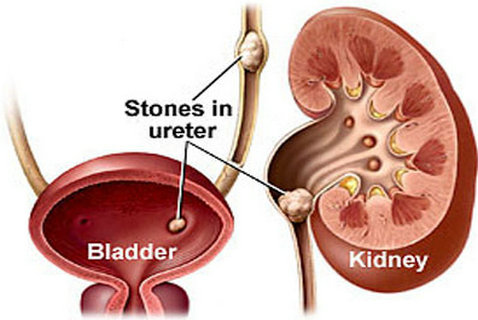
10 Effective Natural Remedies To Treat And Prevent Kidney Stones
1. Watch Your Diet
If you suffer from calcium oxalate stones it is important to minimize your oxalate intake. Soy and beer are the main contributors. Other foods that have high levels of oxalates include raw spinach, rhubarb, chocolate, parsley, beetroot, strawberries, wheat, pepper, and nuts.
Other dietary choices that promote kidney stones are too much sugar in your diet or diets high in processed salt or protein. Avoid all processed food and soda as much as possible. Go easy on your protein consumption.
ALSO READ: Is Soy Bad For You Or Not?
2. Prevent and Treat Kidney Stones With Water
Not drinking enough plain water a day prevents minerals and acid salts from dissolving in your urine. How much water you need a day is different for every person. The best way to check if you are drinking enough is to look at the color of your urine. It should be light yellow.
3. Exercise Regularly To Prevent Kidney Stones
When you live a passive lifestyle you are at higher risk of developing kidney stones. So exercise regularly to keep kidney stones at bay.
4. Lemon Juice, Raw Apple Cider Vinegar, And Olive Oil
Traditionally used to treat gallbladder stones, but works great to treat kidney stones as well. The citric acid helps your body to break down calcium-based kidney stones or prevent them from growing larger.
- Take 4 tablespoons fresh lemon juice and add equal amounts of olive oil.
- Drink this mixture followed by plenty of water (at least 12 ounces).
- Wait 30 minutes.
- Drink 12 ounces plain water with 0.5 ounce fresh lemon juice and 1 tablespoon raw apple cider vinegar.
- Repeat 3 times a day, until the pain disappears, but no longer than 3 days.
ALSO READ: Discover The Top 10 Health Benefits Of Drinking Warm Lemon Water In The Morning
Scroll down for more effective ways to treat and prevent kidney stones.
5. Uva Ursi
Uva Ursi cleanses the urinary tract and assists in pain reduction. The recommended dose is 500 milligram twice to thrice a day.
6. Dandelion Root
This bitter tasting herb has been used for ages to treat and manage kidney stones. It cleanses the urinary tract and soothes pain coming from kidney stones. The recommended dose is 500 milligram twice to thrice a day.
7. Kidney Beans
Not only do they have the shape of a kidney, they are one of the best foods the keep them healthy as well. Remove the beans from their pod and boil for 6 hours in purified water. Strain the liquid, cool, and drink throughout the day to ease the pain.
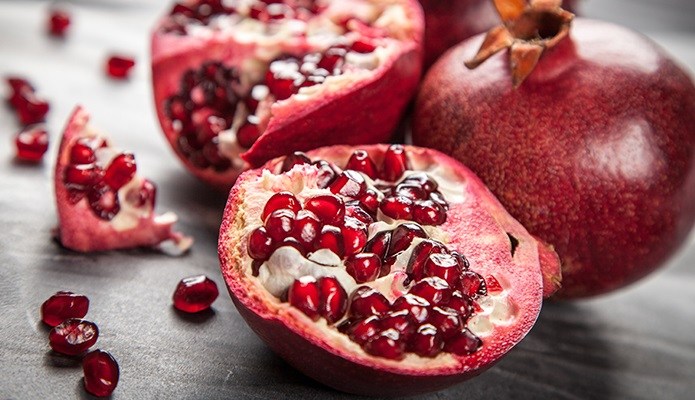
8. Pomegranate
Pomegranate juice (unsweetened) or the seeds are a great way to treat gout and kidney stones. Always opt for freshly extracted juice if possible.
9. Magnesium
People who suffer from recurring kidney stones are less likely to develop them in the future when they up their magnesium intake. The recommended dose is 300 milligram a day.
ALSO READ: Are You In Need Of Magnesium?
10. Vitamin B6
Vitamin B6 or pyridoxine has shown some great results in curing kidney stones. The recommended dose is 100-150 milligram a day.
FYI: Other Beneficial Foods That Prevent Or Treat Kidney Stones
- Celery
- Basil tea
- Watermelon
- Grapes
These home remedies are effective and don’t cause any side effects. However, it is still recommended to see your doctor prior to using them.
The formation of kidney stones has a lot to do with our diet, overweight, and lifestyle. If you are serious about detoxing, losing weight, and changing your lifestyle without feeling hungry and counting calories, CLICK HERE
Thanks for reading. I hope this information was helpful. Until next time!

Amy Goodrich
Crazy cat lady, life and food lover, certified biologist, and holistic health coach.